
Blog
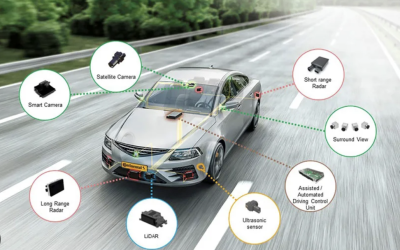
How Effective Are ADAS Safety Systems in Modern Vehicles?
Advanced driver-assistance systems (ADAS) are now very common in new vehicles. Features such as automatic emergency braking (AEB), lane-departure warning, blind-spot monitoring, and rearview cameras can help drivers detect hazards and avoid crashes. They are not...
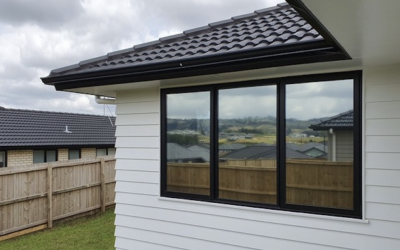
Why Use Outside Weatherable Window Film on Your Windows
Windows provide natural light, ventilation, and valuable views, but they can also contribute to heat gain, glare, fading, and rising energy costs. For homeowners and business owners looking to upgrade their windows, outside weatherable window film—often called...

When Was Laminated Glass Invented?
Laminated auto glass is one of the most important safety innovations in automotive history. Unlike ordinary glass, laminated glass is designed to crack without completely shattering, helping protect drivers and passengers during an accident. But when was laminated...
Recap: Auto Glass Week 2026 Highlights and Key Takeaways
The auto glass industry recently gathered in San Antonio, Texas, for the highly anticipated Auto Glass Week™ 2026 . autoglassweek.com Held from August 27–29 at the Henry B. González Convention Center, with essential pre-event sessions kicking off on August 26,...

Well-Known Calibration Companies Announce Merger
This blog is originally from Glassbytes.com https://glassbytes.com/2026/08/well-known-calibration-companies-announce-merger/ AirPro Diagnostics, an advanced driver assistance systems (ADAS) calibration and diagnostics tools company, has merged with Revv, a vehicle...
Auto Glass Week 2026 Heads to San Antonio, Texas
The automotive glass industry is preparing for one of its most anticipated annual events: Auto Glass Week™ 2026. Taking place August 27–29, 2026, at the Henry B. González Convention Center in San Antonio, Texas, this international gathering will bring together...
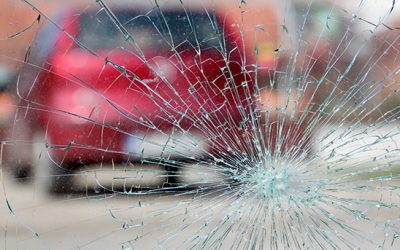
Is Your Cracked Windshield Legal in Arizona? What You Need to Know
Driving in Arizona brings unique challenges—from scorching desert heat to the occasional rock chip on the freeway. While a small crack might seem like a minor nuisance, it can quickly become a serious safety and legal issue. Many drivers are left wondering: Is it...

Why Arizona Has the Most Auto Glass Insurance Claims in the US
Arizona leads the nation in auto glass insurance claims, and several clear factors explain why drivers in the Grand Canyon State file more claims than motorists elsewhere. Understanding these causes helps drivers, insurers, and repair shops reduce risk and manage...
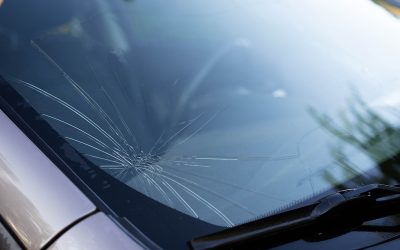
Summer Storms Can Damage More Than Your Windshield
Arizona's monsoon season is known for dramatic skies, heavy rain, and strong winds. But it also creates some of the toughest driving conditions of the year. High winds can send rocks, tree branches, and other debris flying into your vehicle. Wet roads increase the...

Protect Your Windshield This Summer in Southern Arizona — Repair Small Chips Before They Become Expensive Replacements
Summer in Southern Arizona brings beautiful weather — and extreme heat. That intense thermal stress can quickly turn a small chip or crack in your windshield into a larger problem. If you spot damage, acting fast can save you time, money, and hassle. Here’s what every...
Foothills Club of Tucson
American Cancer Society
Arizona 4H Youth Development
Hospital Volunteering
Many Others


Community Service

Over 1000 combined hours of service
Perhaps the first and biggest benefit people get from volunteering is the satisfaction of incorporating service into their lives and making a difference in their community and country.
The intangible benefits alone—such as pride, satisfaction, and accomplishment—are worthwhile reasons to serve. In addition, when we share our time and talents we:
• Solve Problems
• Strengthen Communities
• Improve Lives
• Connect to Others
• Transform Our Own Lives
Roadrunner Auto Glass owners and employees are proud to volunteer over 300 hours of community service each year to various organizations including Foothills Club of Tucson, American Cancer Society, Arizona 4H Youth Development, Hospital Volunteering and many others.
Contact Us
Email: info@roadrunnerautoglass.com
Call:
Phone: (520) 722-5699
Fax: (520) 731-1816