
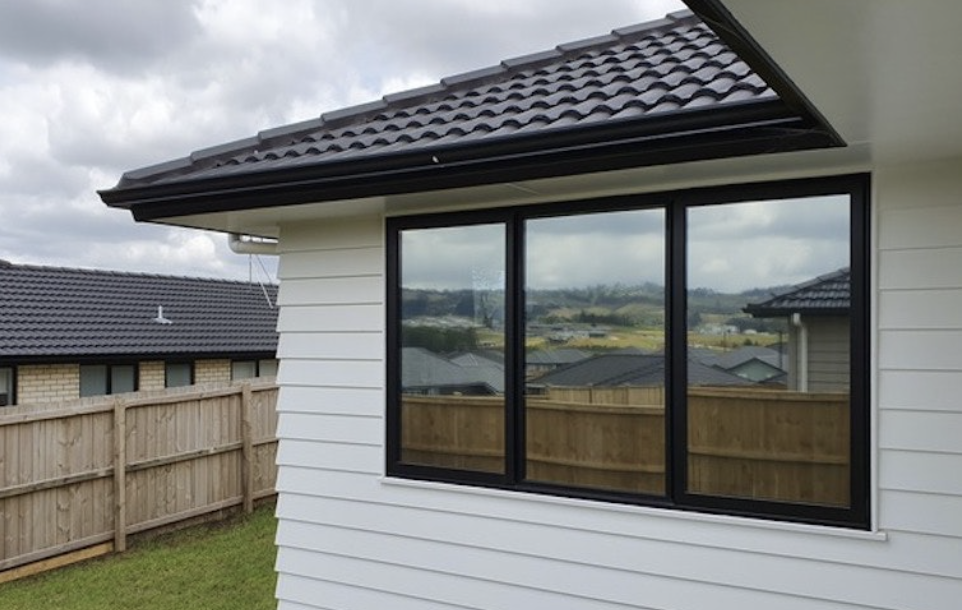
Window tinting is a transformative upgrade that extends far beyond the realm of automotive customization. For homeowners and business owners alike, the application of high-quality window film on architectural glass offers a strategic solution to some of the most common challenges in property management: rising energy costs, unwanted glare, privacy concerns, and the damaging effects of ultraviolet (UV) radiation.
Whether you are looking to improve the comfort of your living room or enhance the security and energy efficiency of a large commercial office, understanding the different types of window film is the first step toward making an informed investment.
The Core Benefits of Window Film
Before diving into the specific types, it is essential to understand why window tinting has become a standard requirement for modern, sustainable, and comfortable buildings.
1. Superior Energy Efficiency
Perhaps the most popular reason for installing window film is its ability to reduce heating and cooling costs . By rejecting solar heat during the summer and retaining interior warmth during the winter, window tints act as a thermal barrier. This significantly reduces the strain on HVAC systems, leading to lower energy bills year-round .
2. UV Radiation Protection
Sunlight streaming through untreated glass contains harmful UV rays. These rays are responsible for the fading of carpets, hardwood floors, furniture, and inventory in commercial spaces . High-quality window film can block up to 99% of these rays, preserving the longevity of your interior investments .
3. Glare Reduction
Whether you are trying to work on a computer screen or watch television, glare can be a persistent nuisance. Window film filters the light that enters your building, softening harsh sunbeams and providing a more comfortable environment without requiring you to close your blinds or shutters .
4. Enhanced Privacy and Security
Window films can offer varying levels of privacy, allowing occupants to see out while making it difficult for outsiders to see in during the day. Furthermore, security window films can strengthen glass, making it harder to break and holding the shards together if it does, which provides a vital layer of protection against vandalism and forced entry .
Exploring the Main Types of Window Tint
Not all window films are created equal. The technology behind each type determines its heat rejection capabilities, durability, appearance, and cost.
1. Dyed Window Film
This is often the most affordable option. It is constructed by layering dyed film to absorb solar heat and provide privacy. While excellent for reducing glare and blocking some UV rays, it is not as efficient at rejecting total solar energy as other types and may fade over time if not treated with high-quality UV inhibitors.
2. Metallic Window Film
Metallic films incorporate thin layers of metallic particles, which are highly effective at reflecting solar energy away from the glass. They are generally more durable than dyed films and offer excellent heat rejection and glare control. However, they can sometimes interfere with cell phone or Wi-Fi signals .
3. Ceramic Window Film
Considered the premium standard, ceramic film does not contain dyes or metals. Instead, it utilizes non-conductive ceramic particles to block heat, glare, and UV rays while remaining almost entirely clear. It is ideal for those who want the benefits of tinting without sacrificing natural light or interior views, and it will not interfere with electronics or signal reception.
4. Reflective Window Film
Commonly used in commercial buildings, reflective films have a mirror-like finish on the exterior. This design provides maximum heat rejection and excellent daytime privacy, as passersby only see their own reflection. It is highly effective for reducing energy consumption in sunny environments .
5. Decorative and Frosted Film
These films are designed primarily for aesthetic purposes and privacy. They can be used to create patterns, logos, or textured surfaces on glass, making them perfect for conference rooms, office partitions, or street-level residential windows where privacy is needed without blocking all light .
Choosing the Right Tint: Home vs. Business
The priorities for a residential homeowner often differ from those of a business owner.
- For Homeowners: The focus is typically on comfort, aesthetic preservation (protecting furniture/flooring), and energy efficiency. Ceramic or high-quality dyed films are often preferred as they offer high performance without drastically altering the home’s exterior appearance.
- For Business Owners: The focus often shifts toward energy cost reduction, security, and branding. Reflective films are popular for large office buildings due to their superior energy efficiency, while decorative frosted films are essential for interior office aesthetics and privacy .
When considering window tinting, it is crucial to assess your specific goals—whether that is lowering cooling costs, enhancing privacy, or improving building security—to select the film that provides the best return on investment for your property.