
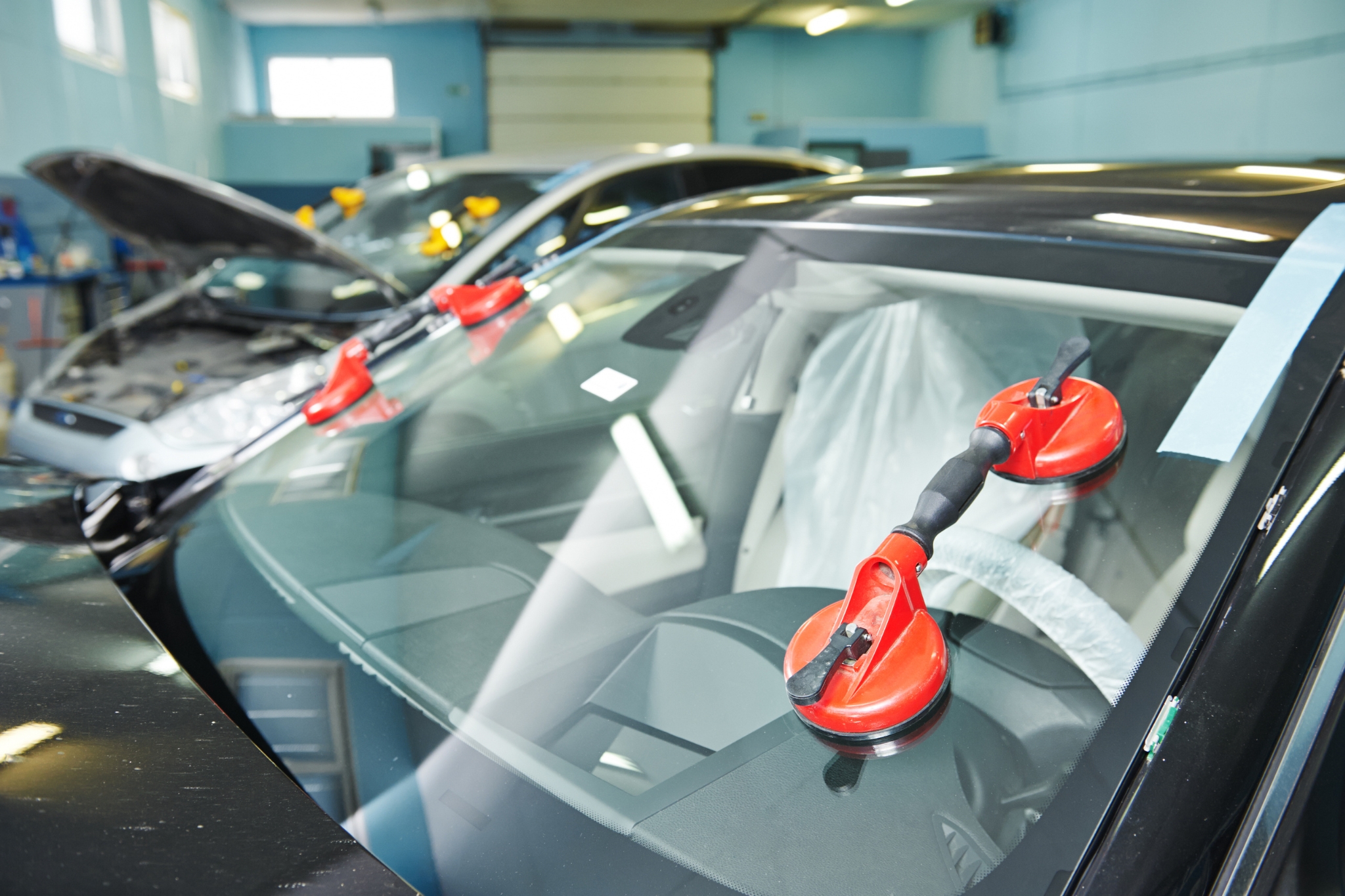
Getting your windshield replaced restores visibility and safety, but the job isn’t finished the moment the new glass is installed. Proper aftercare helps the adhesive cure correctly, protects the seal, and ensures any integrated driver-assist systems work reliably. Here are key precautions to follow after windshield replacement, focusing on weather, car washes, bumpy roads, driving, and recalibration needs.
Firstly, there are curing time and weather considerations after installation. The urethane adhesive that bonds the windshield to the frame needs time to cure, which can vary by product used and temperature. The first stage of bonding occurs from 1 to 24 hours after the initial set and is fully-bonded after about 48–72 hours. Weather also plays a role in urethane curing time: colder temperatures slow curing; hot, humid conditions can speed it up but may affect handling if extreme. Avoid leaving your vehicle exposed to heavy rain, hail, or rapid temperature swings during the first 24 hours if possible. If you must leave it outside, park in a covered or sheltered area and keep the vehicle locked to prevent wind or curious hands from disturbing molding and trim before the adhesive sets.
Avoid automatic car washes for at least 48 hours after installation, and ideally follow the installer’s specific recommendation on when the best time to have your vehicle washed will be. High-pressure sprays and brushes can push against the seal and risk water intrusion before the adhesive fully cures. Hand washing with gentle, low-pressure rinsing is a safer option if you need to clean the car sooner. Pay special attention to seams and the lower edge of the windshield; if you notice any moisture inside the trim or fogging between the glass and body, contact your installer immediately.
It is also wise to Minimize aggressive driving for the first day or two. Hard braking, aggressive cornering, and highway speeds can stress the not-yet-fully-cured bond. Avoid driving on particularly bumpy, unpaved roads for at least 24–48 hours, because repeated jarring can compromise the seal or shift the windshield slightly. If your route includes potholes or rough sections, slow down and maintain cautious spacing from other vehicles to limit sudden impacts. After the curing period, normal driving can resume but remain observant during the first few days for any wind noise, vibration, or visible gaps.
Modern windshields often house sensors, cameras, and components for Advanced Driver Assistance Systems (ADAS) such as lane-keep assist, adaptive cruise control, and automatic emergency braking. Replacing the windshield can alter their position or line-of-sight, so recalibration is frequently necessary. Ask your installer whether recalibration was performed, and if not, schedule it promptly. Proper recalibration requires specialized equipment and a controlled environment and can be either static (in-shop) or dynamic (on-road). Driving with uncalibrated systems can reduce functionality which may pose dangerous risks for drivers.
Final checks and when to call back Inspect the installation daily for the first few days. Look for gaps, fogging, water intrusion, or unusual noises. If you notice any of these, or if the windshield shifts, leaks, or the ADAS warnings persist after recalibration, contact your installer to further address the issue.