
Glass in vehicles is engineered for safety and performance, but not all automotive glass is made the same. The two primary types used in cars are laminated glass and tempered glass. Both have different manufacturing processes, mechanical properties, and safety behaviors. Understanding these differences helps to explain why windshields are laminated while most other automotive glass, like side and rear windows, is tempered.
How they’re made
- Laminated glass: Made by bonding two or more layers of glass with an interlayer which usually consists of polyvinyl butyral (PVB) or ethylene-vinyl acetate (EVA). The layers are assembled, then heated and pressed so the interlayer adheres firmly to the layers of glass, creating a single composite pane.
- Tempered glass: Produced by heating annealed glass and then rapidly cooling (quenching) its outer surfaces. This process creates compressive stresses on the surface and tensile stresses inside, making the glass much stronger than ordinary glass of the same thickness.
How they respond to impact
- Laminated: Upon impact, laminated glass may crack the outer layer, but the interlayer holds the fragments together. This prevents shards from flying inward and helps maintain a barrier even when the glass is damaged.
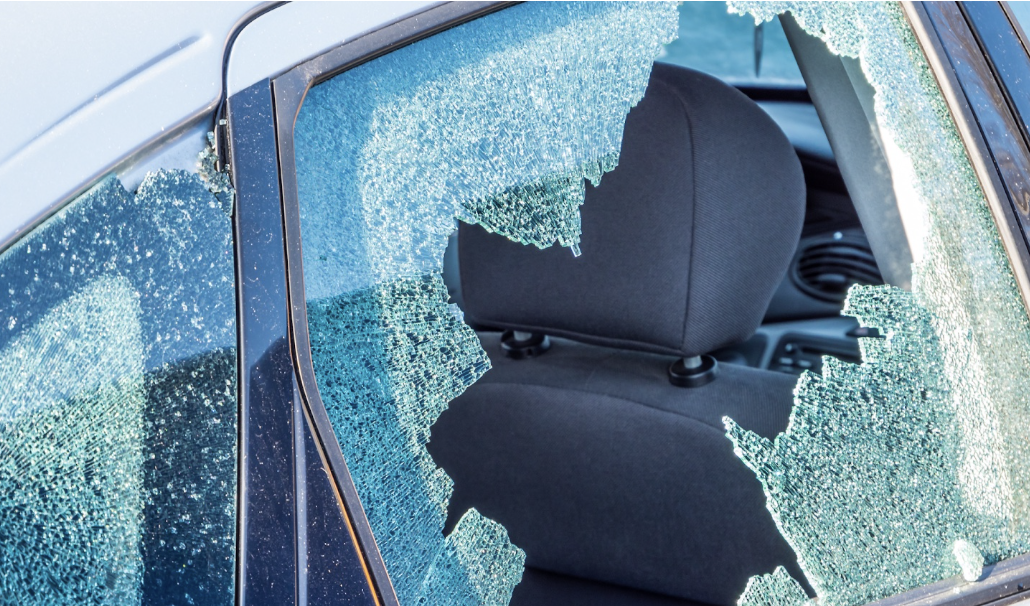
- Tempered: When tempered glass breaks, it shatters into many small blunt-edged granules that fall away from the frame. This reduces the risk of large, sharp shards but quickly opens a hole in the opening where the glass was.
Why these behaviors matter in cars
- Windshields: Laminated glass is used for windshields because it must remain largely intact after an impact to preserve structural integrity, occupant retention, and visibility. A laminated windshield helps keep passengers inside the vehicle during rollovers, supports airbag deployment by providing a consistent surface for them to push against, and prevents road debris or an outside body from entering the cabin. Even when cracked, laminated windshields often maintain a degree of visibility, allowing the driver to stop safely.
- Side and rear windows: Tempered glass is typically used here because when it breaks it disperses into small, less dangerous pieces, reducing the chance of severe lacerations. Tempered windows are also easier and cheaper to replace. Rapid disintegration is advantageous for emergency egress or rescue—first responders can break a tempered side window quickly to reach trapped occupants.
Other considerations
- Cost and weight: Laminated glass is heavier and more expensive than tempered glass because of the interlayer and manufacturing process. This makes it less practical for some windows, especially where the benefits of lamination aren’t necessary.
- Acoustic performance: Laminated glass provides better sound insulation due to the interlayer, which is why some premium vehicles use laminated side glass for improved cabin quietness.
- UV protection and security: The interlayer can filter UV and offer some resistance to penetration or forced entry, so laminated glass is also used in areas where these features are prioritized.
- Regulations and standards: Vehicle safety standards in many countries mandate laminated windshields because of their critical role in crashworthiness. Regulations also guide whether side and rear windows must be tempered.
Conclusion: Laminated and tempered glass are engineered for different safety outcomes. Laminated windshields preserve structural integrity, support airbag function, and reduce occupant ejection risk. Tempered glass, meanwhile, offers a practical, safer-to-shatter solution for side and rear windows, balancing protection, cost, and ease of replacement. Together, these glass choices help make modern vehicles safer, quieter, and more functional.