
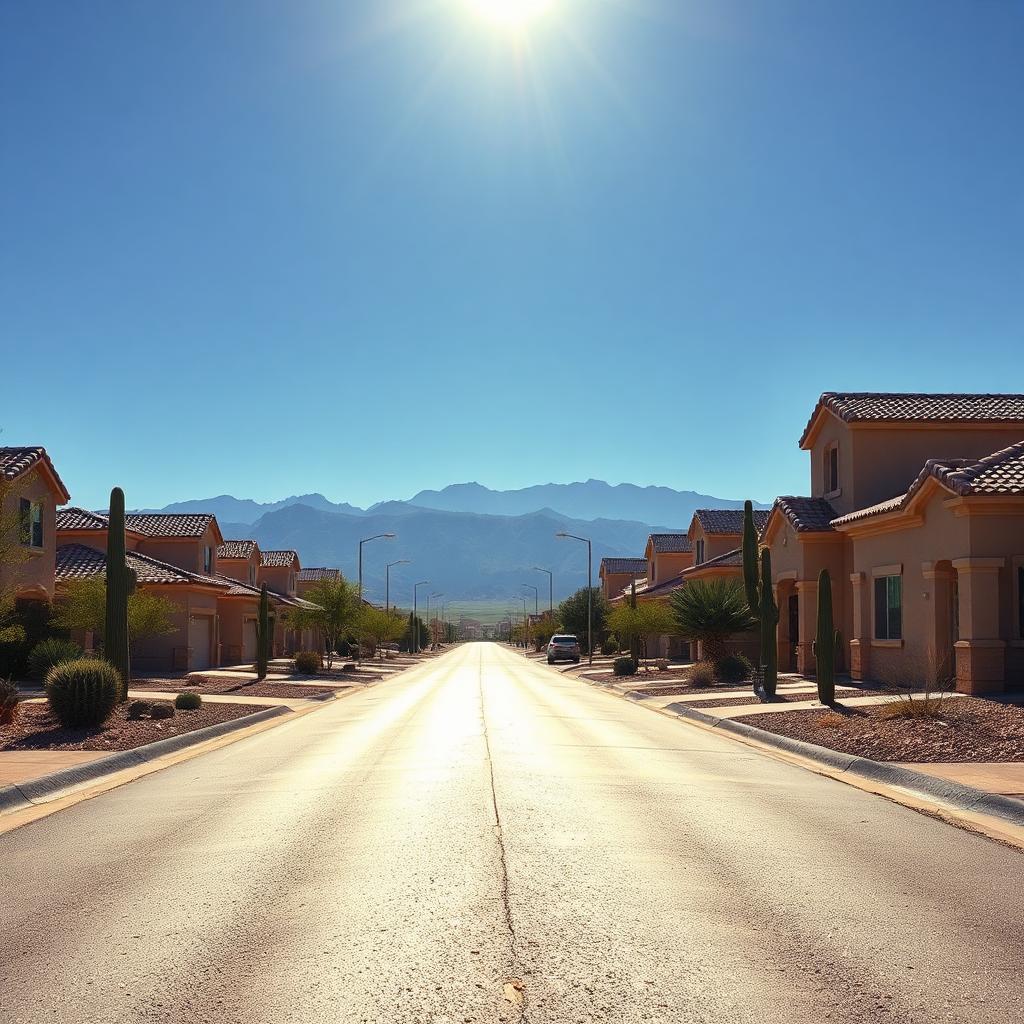
As the Sonoran sun climbs higher and the days stretch longer, staying hydrated in Southern Arizona becomes more than a wellness tip-it’s an important safety strategy. Our desert climate is uniquely dehydrating. Sweat evaporates so quickly you may not notice how much fluid you’re losing, and a light summer breeze can mask heat stress. By the time you feel very thirsty, you’re often already far behind; here’s why and it’s crucial to staying hydrated this summer, and helpful tips to do so!
It’s important to start with a daily baseline of water-intake. A practical target is 90–130 ounces of total fluids per day for most healthy adults (roughly 2.7 liters for women and 3.7 liters for men) and more if you’re outdoors or active. In hot, dry conditions, add 16–32 ounces per hour you spend outside, adjusting for intensity, body size, and how much you sweat. Before activity, drink 16–20 ounces within two hours. During activity, sip 7–10 ounces every 10–20 minutes. Afterward, replace what you lost with 16–24 ounces per pound of body weight dropped. Use urine color as a guide: pale straw is ideal.
Water is your foundation, but smart hydration includes electrolytes; especially sodium, potassium, and magnesium. These minerals help you absorb and retain fluids. Some good electrolyte options include:
- Low-sugar electrolyte drinks for prolonged heat exposure
- Coconut water for a light potassium boost
- Homemade mix: 24 oz cold water + a pinch of salt + a squeeze of citrus + a teaspoon of honey
- Iced herbal teas (hibiscus, mint) as flavorful, low-caffeine alternatives
- Water-rich foods: watermelon, cucumbers, oranges, strawberries, tomatoes
Tactical habits that make it easier to keep up:
- Front-load your fluids: 12–24 ounces within an hour of waking
- Carry an insulated bottle and set timer reminders
- Pre-cool: chilled beverages and ice help lower core temperature
- Pair drinking with cues (every email sent, every work break)
- Slightly salt meals if you’re a salty sweater or training outside
- Limit alcohol and match each drink with extra water
Know early warning signs of dehydration: headache, dry mouth, dizziness, dark urine, fatigue, muscle cramps, and a racing heart. Heat exhaustion can bring heavy sweating, nausea, and weakness; heat stroke is a medical emergency marked by confusion, hot dry skin or profuse sweating, and possible fainting. If you think that you or someone around you is suffering from eat stroke, it’s important to call 911 and cool immediately.
Families, outdoor workers, athletes, and older adults should be especially proactive. Kids need frequent, scheduled sips and hydrating snacks, as well as pets! Be sure to provide them with enough shade, cool surfaces, and ample water.
Hydration doesn’t stop at the glass; managing heat load indoors is also important. Shading, reflective coverings, and efficient cooling all help. One of the simplest upgrades with outsized impact is window tint. Quality window films block a significant portion of solar heat and UV, keeping rooms cooler, protecting furnishings, and easing the burden on your HVAC. As summer approaches, consider having window tint installed on your house to reduce indoor temperatures and save on energy costs.