
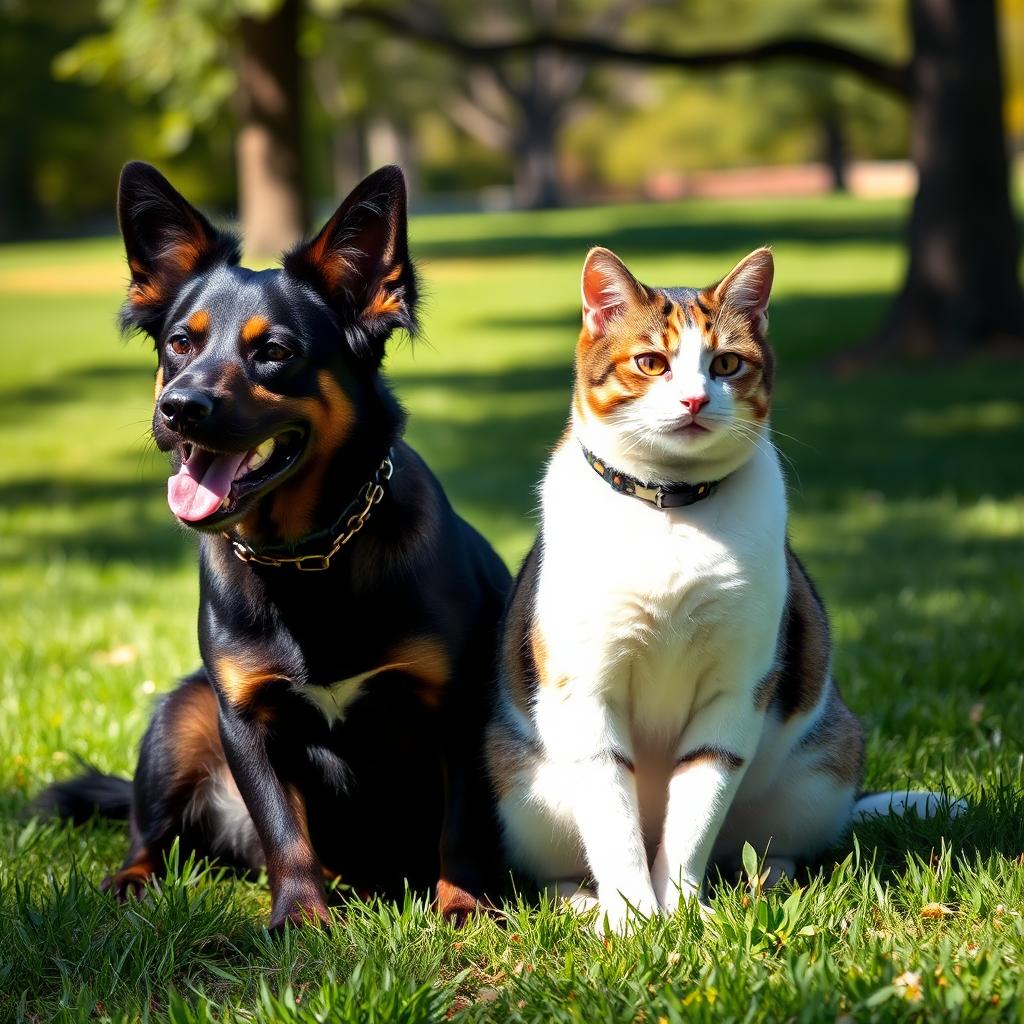
Summer in Arizona brings extreme heat that can be dangerous for pets. Keeping them cool requires planning, vigilance, and a few practical habits. Here are essential safety tips to protect your animals when temperatures climb.
Hydration is critical Always provide fresh, cool water and check bowls frequently. Consider multiple water stations around the house and yard. For long outings, bring a collapsible bowl and extra water. Adding ice cubes can help water stay cooler longer.
Avoid midday heat Temperatures and surface heat peak mid to late afternoon. Walk dogs early in the morning or after sunset when it’s cooler. Limit exercise and playtime; vigorous activity in heat increases the risk of heatstroke.
Protect paws from hot pavement! Asphalt and concrete can reach temperatures that burn paw pads. Test pavement with the back of your hand — if it’s too hot for you, it’s too hot for your pet. Use booties, walk on grass, or shorten walks when surfaces are hot.
Provide shade and cool resting spots If pets are outdoors even briefly, ensure there is continuous shade and airflow. Portable shade canopies, pergolas, or shade cloths help. Indoors, set up cool resting areas with tile or a cooling mat.
NEVER leave pets in cars. Even with windows cracked, temperatures inside a vehicle can become lethal within minutes. If you see a pet left alone in a hot car, call local authorities immediately.
Use cooling aids safely Cooling vests, mats, and frozen water bottles wrapped in towels can lower body temperature. Avoid over-reliance on ice-cold water baths—gradual cooling is safer than sudden, extreme temperature changes. Offer cool (not ice-cold) water and shaded airflow.
Monitor for heatstroke signs Symptoms include excessive panting, drooling, lethargy, vomiting, rapid heart rate, glazed eyes, collapse, or seizures. If you suspect heatstroke, move the pet to shade, douse with cool (not ice-cold) water, apply cool wet towels, and seek emergency veterinary care immediately.
Adjust grooming but don’t shave incorrectly Some double-coated breeds need their coats to protect from sunburn and heat; consult your groomer or vet before shaving. Regular brushing removes dead hair and improves cooling.
Consider species-specific needs Cats, rabbits, birds, reptiles, and small mammals have different tolerances and requirements. Rabbits and guinea pigs are especially heat-sensitive—keep them in cool, ventilated environments. Birds can overheat in direct sun; provide shade and fresh water.
Have battery-powered fans, frozen gel packs, or a backup generator in case of power outages.
With awareness and preparation, you can help your pets stay comfortable and safe through Arizona’s hot months. Prioritize hydration, shade, timing, and quick action if heat-related illness appears.